Skin clarity protocols

Clearer. Brighter.
Without the harsh lasers.

Active acne. Rosacea. Melasma. Hyperpigmentation. Acne scars. Uneven texture. Plasma works on all of these — without the burns, downtime, or PIH risk of ablative lasers.

★★★★★ 5.0 Yelp & Vagaro
Safe for all skin tones
Hablamos Español
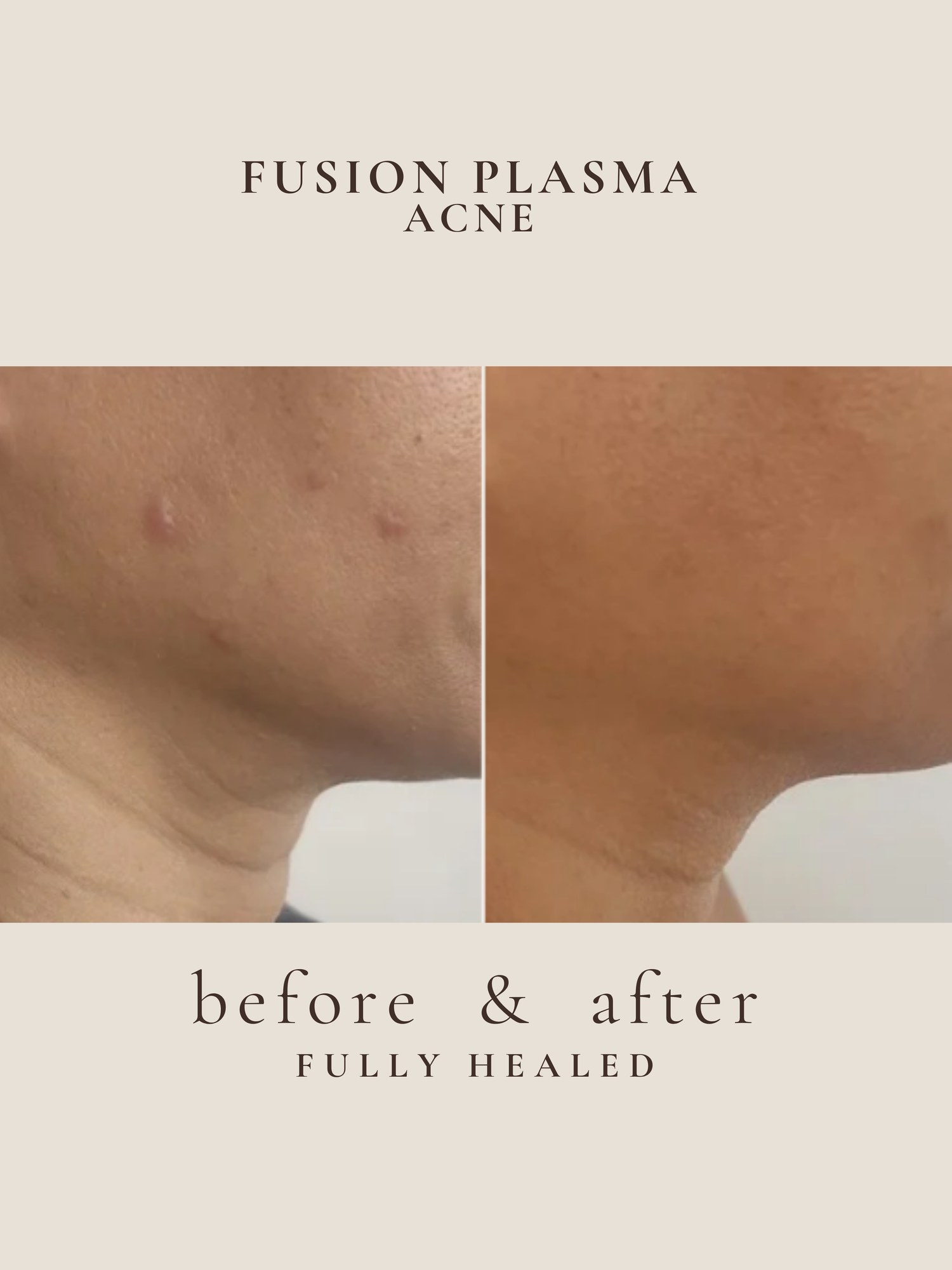
Active acne treatment with plasma — before and after
What we treat

Six skin concerns. One technology.

Plasma resurfacing addresses surface texture, deeper pigmentation, and active inflammation through different mechanisms. Most clients have more than one concern — protocols are layered to address several at once.

Active treatment

Active acne

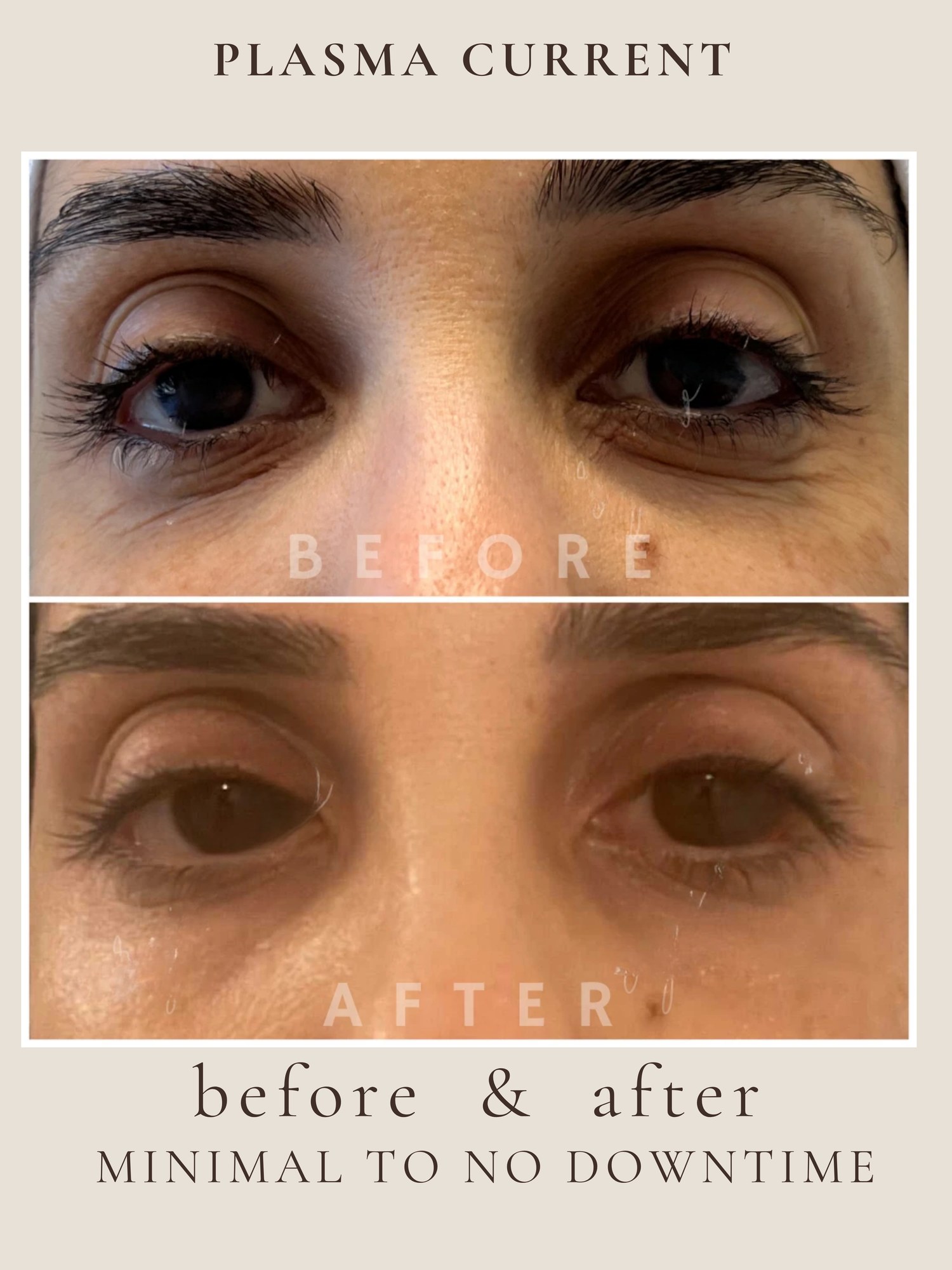
Plasma has anti-inflammatory and antimicrobial effects on the skin. For active acne, we use Plasma Current to calm inflammation and reduce P. acnes bacteria without harsh prescription topicals or oral antibiotics.

Plasma Current
Resurfacing

Acne scars

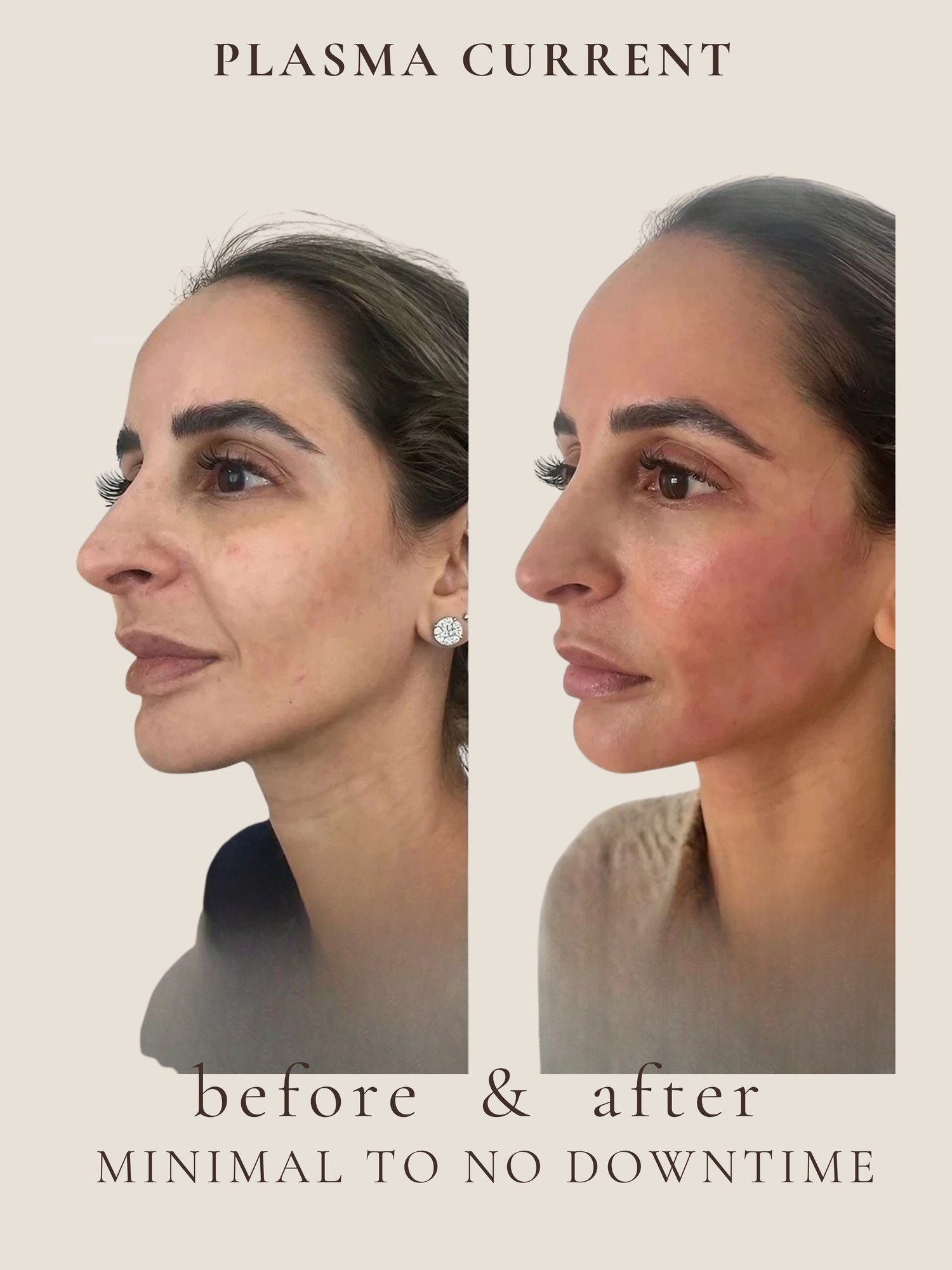
For atrophic acne scars (pits, ice pick, rolling), plasma triggers collagen rebuilding from the floor of the scar upward. Texture refines progressively over a series of sessions. Pairs well with active acne treatment.

Plasma Resurfacing
Inflammation

Rosacea & redness

Plasma Current's anti-inflammatory action calms rosacea flares and reduces persistent facial redness. Unlike IPL or laser, plasma doesn't risk worsening rosacea through heat trauma.

Plasma Current
Pigmentation

Melasma

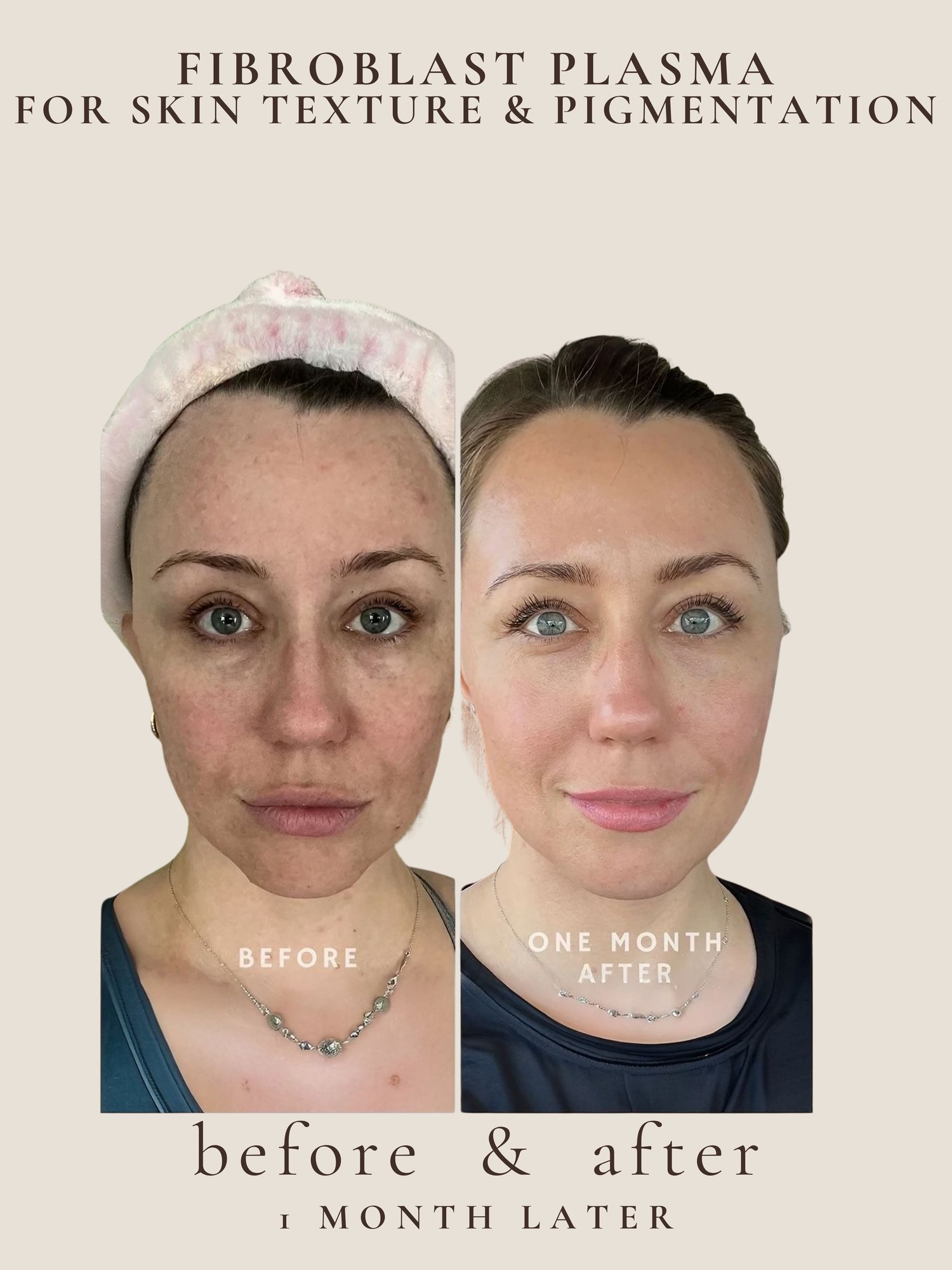
Notoriously hard to treat without rebound darkening. Plasma resurfacing, combined with a tailored topical protocol, gradually lifts melasma without the heat trauma that triggers PIH. Slow but stable.

Plasma Resurfacing
Pigmentation

Hyperpigmentation

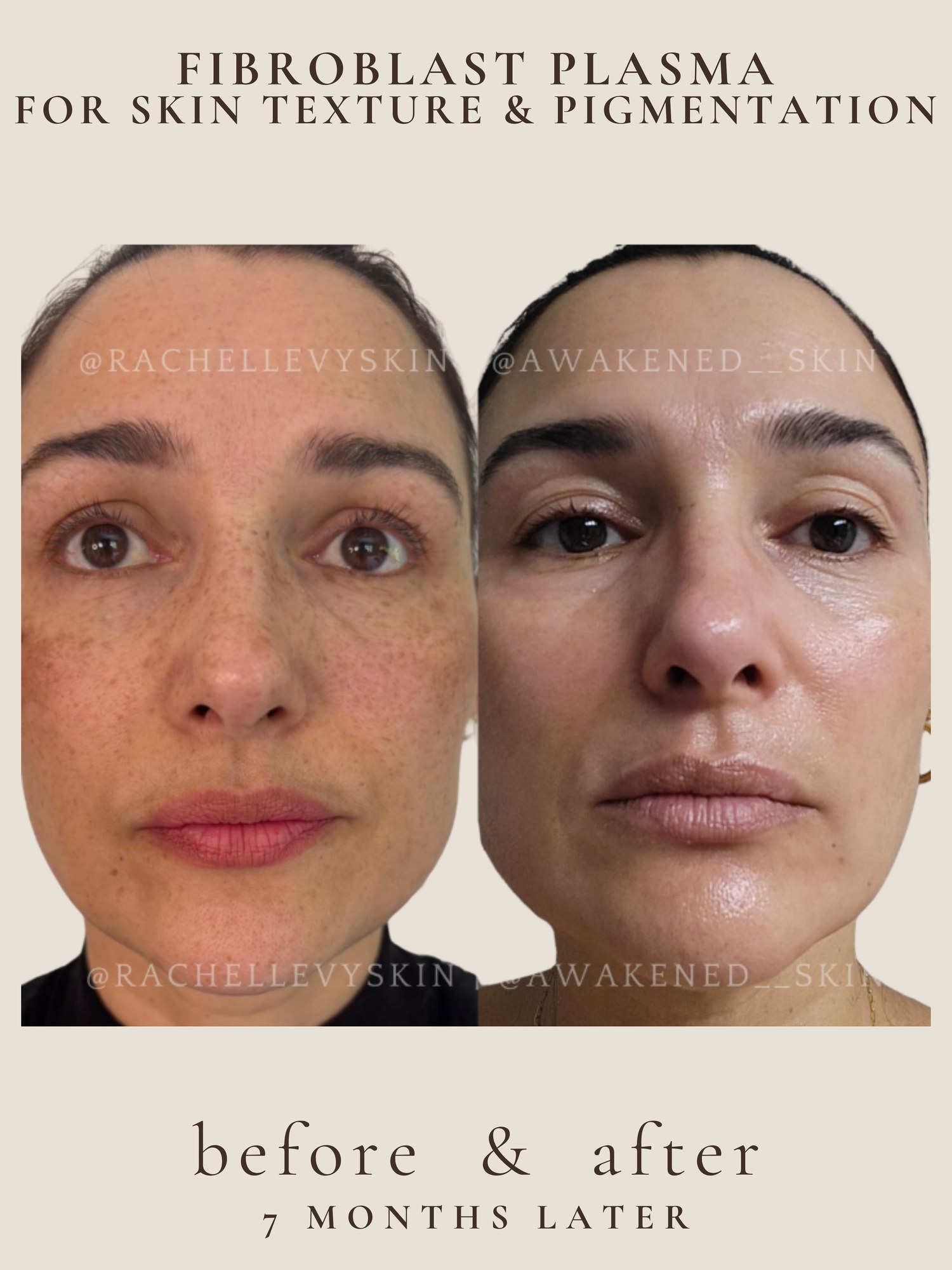
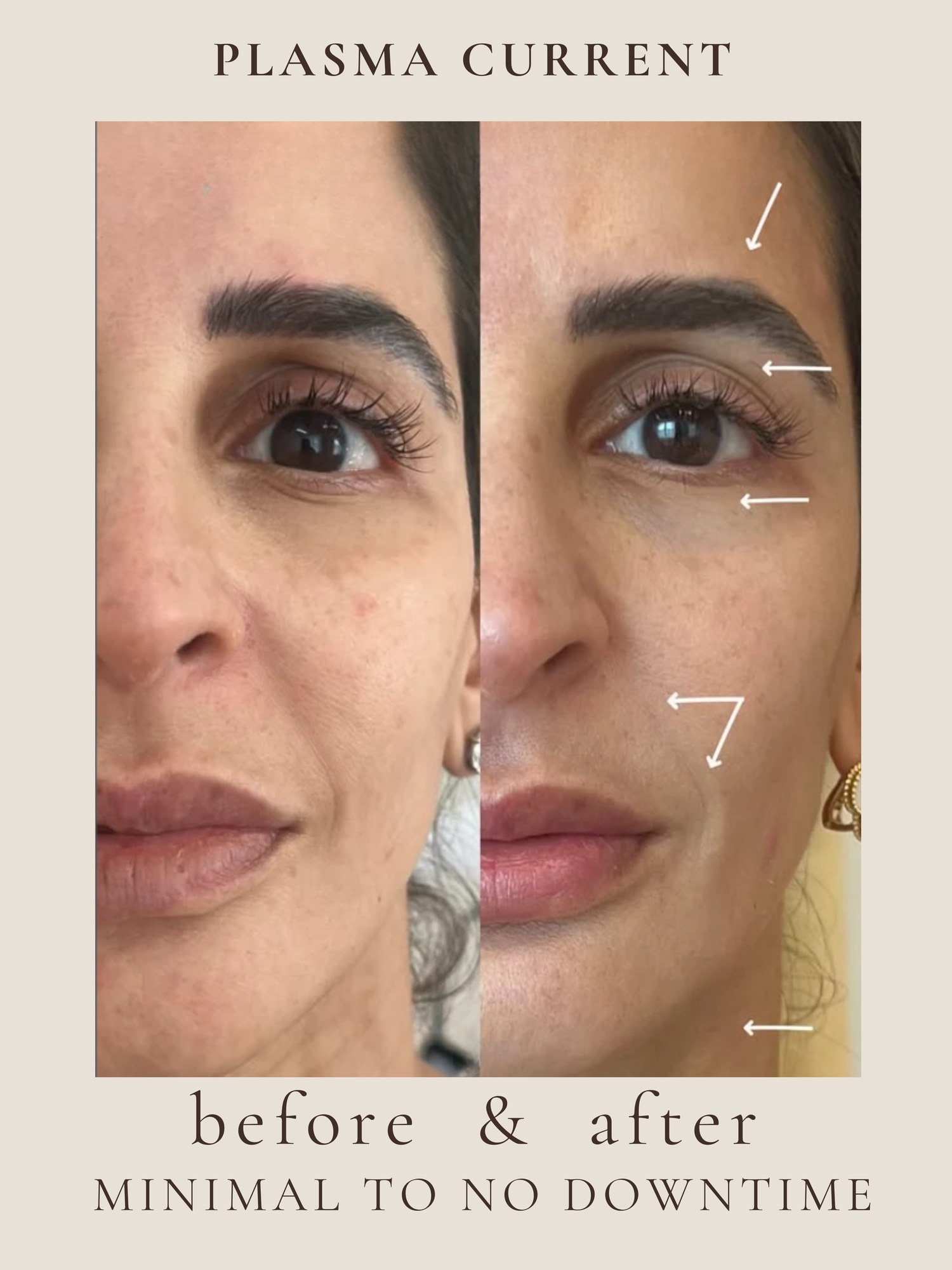
Sun damage, post-inflammatory hyperpigmentation (PIH), age spots, melanin irregularity. Plasma resurfacing evens tone progressively. Safer than aggressive lasers on medium and deeper skin tones.

Plasma Resurfacing
Texture

Texture & pore refinement

Enlarged pores, fine lines, uneven texture from sun damage and aging. Plasma resurfacing tightens the pore wall and refines surface smoothness. A “glass skin” effect develops over a series.

Plasma Resurfacing
Skin texture and pigmentation improvement with plasma resurfacing
The biology

How plasma clears the skin.

Most acne and pigmentation treatments do one of three things: kill bacteria (antibiotics), accelerate cell turnover (retinoids, acids), or remove the top layer (ablative lasers). Plasma works through a completely different mechanism.

  • Anti-inflammatory action Plasma exposure reduces inflammatory markers in the dermis, calming active acne and rosacea flares without harsh topicals.
  • Antimicrobial effect Plasma reduces P. acnes bacteria population on the skin surface and within follicles, reducing breakout frequency over time.
  • Controlled collagen response For texture and scar work, plasma triggers fibroblast activation. New collagen forms over 8–12 weeks, smoothing acne scars and refining surface texture.
  • Pigment rebalancing Plasma resurfacing gradually normalizes melanin distribution. Slower than aggressive lasers, but with significantly lower PIH risk on medium and deeper skin tones.
Why plasma, not laser

The honest comparison.

Lasers and chemical peels work — for the right person. For many skin types, especially medium and deeper tones, the risk of post-inflammatory hyperpigmentation is real.

Ablative CO2 laser

  • 5–10 days of bleeding crust
  • Significant PIH risk on darker skin
  • Risk of permanent hypopigmentation
  • Aggressive single-session approach
  • $2,000–$5,000+ per session

Deep chemical peels

  • Significant peeling, redness for 1–2 weeks
  • Can trigger melasma rebound
  • Risk of PIH
  • Sun avoidance required for weeks
  • Cannot use on active acne

Awakened plasma

  • Most clients zero downtime
  • Significantly lower PIH risk on all tones
  • Safe with active acne in same session
  • Layered series — progressive results
  • $250–$600 per session
A typical protocol

A skin-clarity series. Step by step.

Most skin clarity outcomes require a series — not a single session. Plan for 4 to 8 visits spaced 2–4 weeks apart, with maintenance afterward.

i

Consultation

Skin analysis, identification of overlapping concerns, custom protocol design. Pricing transparency upfront.

ii

Active phase

4–6 sessions of Plasma Current or Plasma Resurfacing, spaced 2–3 weeks apart. Progressive change throughout.

iii

Refinement

2–3 sessions addressing remaining texture, residual pigment, and edge details. Spaced 3–4 weeks apart.

iv

Maintenance

Monthly Plasma Current via the Awakened Circle membership, or quarterly touch-ups. Sustains long-term clarity.

★★★★★
“My face, hands, and neck look fresh and youthful. I feel half my age.
Client, age 70+ Anonymous · Plasma series
FAQ

The questions everyone asks.

Is plasma safe for darker skin tones?
Yes — this is one of the main reasons clients with medium and deeper skin tones choose plasma over lasers. The risk of post-inflammatory hyperpigmentation (PIH) with plasma is significantly lower than with ablative laser or aggressive chemical peels, because plasma doesn't deliver the same kind of bulk thermal trauma. We've worked with Fitzpatrick III–VI skin tones extensively.
How many sessions for acne to clear?
Most active acne clients see meaningful improvement within 3 sessions. A full clearing series is typically 4–6 sessions, spaced 2–3 weeks apart. Acne scarring (the indentations that remain after) is a separate protocol that builds on top of the active-acne work.
Will melasma come back?
Melasma is a chronic condition, and yes — without ongoing protection it can return, regardless of treatment method. Plasma achieves more durable results than many alternatives because it doesn't trigger the heat-driven rebound common with IPL and laser. We pair treatment with a topical protocol and strict daily SPF.
Can I do this while on Accutane?
No — we wait at least 6 months after completing Accutane before starting plasma resurfacing. Your skin's healing response is altered during and immediately after Accutane treatment. We're happy to consult while you're on it and start treatment when you're cleared.
What about prescription acne medications?
Most topical acne medications (benzoyl peroxide, topical antibiotics, niacinamide) can continue alongside plasma treatment, with timing adjustments around session days. Retinoids should be paused 5–7 days before and after each session. We'll review your entire skincare with you in consultation.
How is this different from microneedling?
Microneedling creates micro-injuries with physical needles. Plasma triggers a similar collagen response without piercing the skin. The result is comparable for texture work, but plasma typically produces less downtime, lower infection risk, and works on inflammatory acne (microneedling generally doesn't on active breakouts).
What's the cost per session?
Plasma Current sessions range from $250 to $400. Plasma Resurfacing for face is $400–$600 per session. Series pricing reduces the per-session cost. The Awakened Circle membership includes a monthly Plasma Current session and pricing benefits on Resurfacing work — for ongoing clarity work, membership is the most cost-effective path.
Book your consultation

The skin underneath
is always there.

Acne, pigmentation, and texture aren't who you are. They're surface layers. Plasma works progressively to reveal what's underneath.

Book Your Consultation